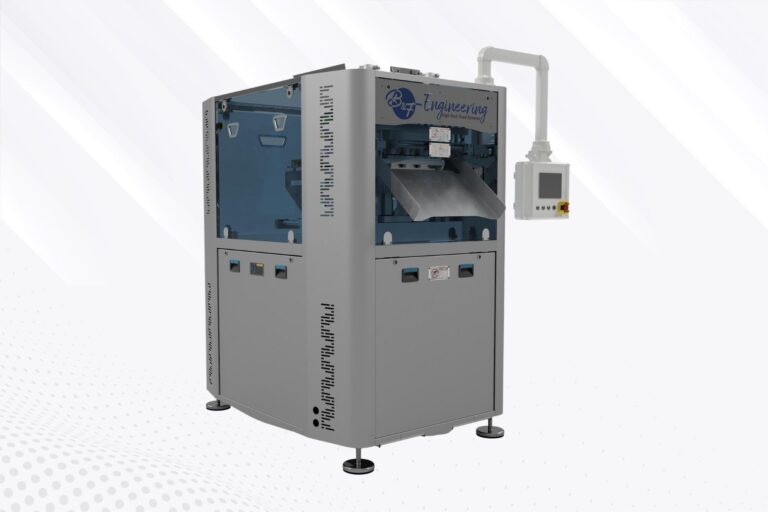
Rice cake lines are getting more complex: more SKUs, more grains, more flavors and coatings. To keep quality consistent while protecting margins, manufacturers need smart automation and structured quality control.
1. PLC Control and Recipe Management
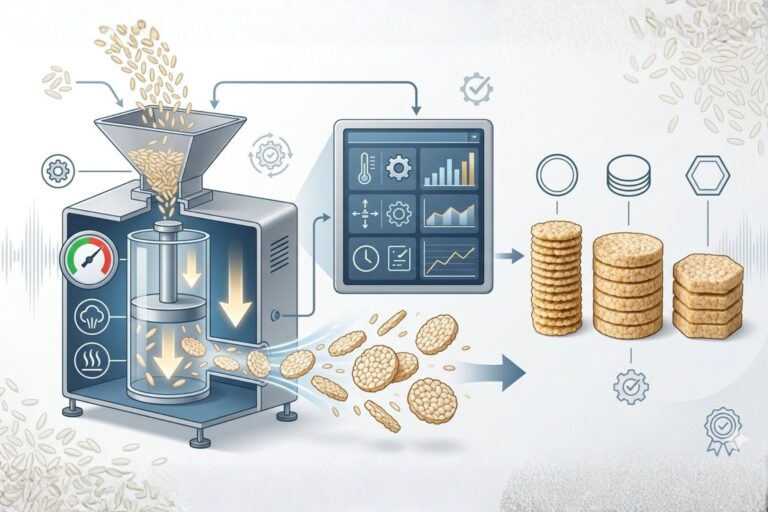
Modern rice cake lines are built around PLC-controlled popping units and integrated HMIs:
- Recipe libraries store parameters for each SKU: pressure, temperature, cycle time, mould selection.
- Line interlocks synchronize feeding, popping, cooling and packaging.
- Alarm systems notify operators of deviations before they become scrap.
With recipe-based production, changeovers become repeatable steps rather than trial-and-error, allowing you to move from plain to multigrain, minis or chips with confidence.
2. Data Logging and Traceability
Food safety regulations and retailer requirements demand traceability. Automation systems can:
- Log batch IDs, key setpoints and real-time measurements.
- Store history of alarms and corrective actions.
- Support OEE (Overall Equipment Effectiveness) tracking by recording downtime and speed changes.
In case of a complaint or audit, you can show exactly how the line was running for a given production lot.
3. In-Line Quality Checks
To keep quality high, rice cake lines often integrate:
- Weight checks at critical points
- Vision systems for diameter, shape and color control
- Metal detectors before final packaging
B&F Engineering works with OEM partners to integrate these systems into the line, ensuring that off-spec cakes are rejected early—before they consume extra coating, seasoning or packaging cost.
4. Remote Support and Predictive Maintenance
Downtime is expensive, especially when serving large retail contracts. With the right automation architecture:
- Engineers can access line data remotely (secure VPN) to support troubleshooting.
- Trend analysis on temperatures, cycle times, stop patterns and energy use helps identify issues before breakdowns occur.
- Preventive maintenance can be scheduled around real usage rather than fixed calendars.
B&F’s technology transfer and service programs combine local training with remote support options, keeping rice cake lines stable long after installation.
5. Benefits for Multigrain, Coated and Chip Lines
Automation and QC are especially important when:
- Running multigrain and high-protein recipes, which are more sensitive to process drift.
- Managing coated products, where enrober performance and cooling conditions are critical.
- Producing thin chips, where small changes can cause big quality swings.
Centralized control and structured QC let you maintain tight specifications across a diverse rice cake portfolio.
Conclusion
In today’s competitive market, rice cake success is not just about having a good popping machine. It’s about building automated, data-driven production lines that consistently deliver the right texture, shape and flavor for every SKU.
With CE-certified equipment, recipe-based automation and integrated quality control, B&F Engineering helps manufacturers turn rice cakes into a reliable, scalable and auditable product category.
Rice Cakes & Rice cake Lines
Produce traditional or trendy rice cakes with maximum flexibility and precision. From mini bites to chocolate-coated snacks, our systems adapt to every market demand.
Contact Us Today
Discuss your project with our engineering team and discover how our machines can optimize your production.