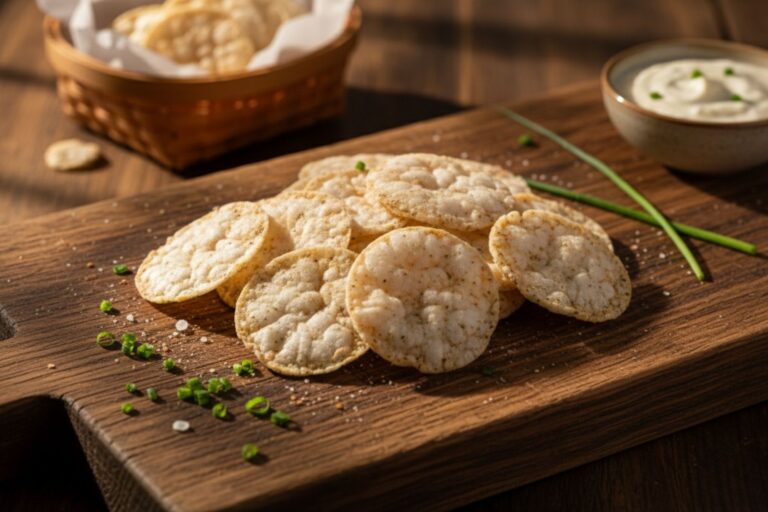
Mini rice cakes are no longer a niche product—they are a core format in the healthy snack aisle. As consumers look for portion-controlled, on-the-go and kid-friendly options, bite-size rice cakes fit perfectly into lunchboxes, variety packs and sharing bags.
For manufacturers, the question is not if they should produce mini rice cakes, but how to design the right moulds and line configuration to make them profitable at scale.
Why Mini Rice Cakes Are So Attractive for Brands
Mini rice cakes combine the familiar benefits of classic rice cakes with new merchandising possibilities:
- Portion control: Easier calorie management per handful or per sachet.
- Mix & match: Sweet-savory assortments in a single multipack.
- Kid appeal: Smaller size, fun shapes and mild flavors for children.
- Premiumization: Coatings, inclusions and bold flavors in a compact format.
On the production side, the same line that makes classic round rice cakes can often be configured to produce mini formats through mould and recipe adjustments, as long as the equipment is designed for fast changeovers and flexible recipes.
Mould Selection: More Than Just a Shape
For mini rice cakes, mould design is a strategic decision, not a cosmetic one. A well-engineered mould balances several critical factors:
Diameter and Thickness
- Diameter: Mini rice cakes typically range from 20-35 mm, allowing more pieces per pack and per tray.
- Thickness: Thinner products feel lighter and more “chip-like”; slightly thicker versions work better for toppings and spreads.
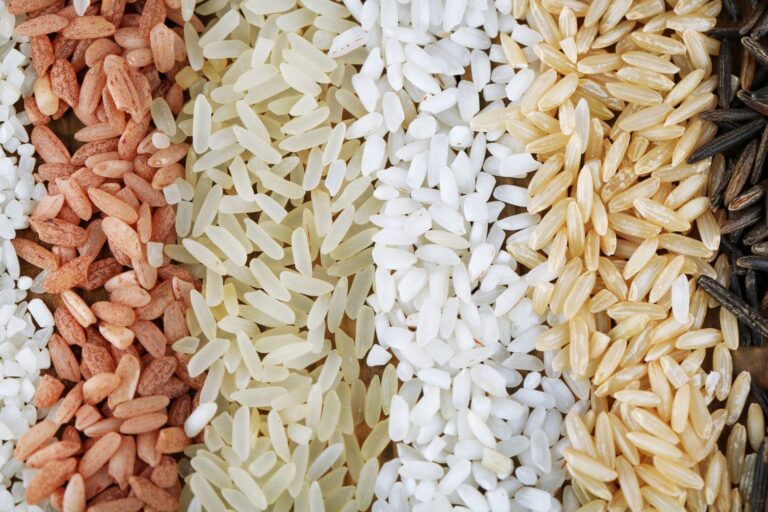
- Popping behavior: The mould cavity must match the popping behavior of the grain mix to avoid underfilled or broken pieces.
Weight and Nutritional Targets
Many brands design mini rice cakes around specific calorie or protein claims per portion. That means:
- Each mould cavity should consistently produce the same weight.
- The popping chamber and dosing system must be tuned to maintain that weight, even at high capacity.
Visual Identity and Packaging Fit
B&F Engineering’s rice cake lines already support round, mini round, square and rectangular moulds, plus fully custom designs. Choosing the right shape impacts:
- Brand recognition: Signature shapes are more memorable on-shelf.
- Packing efficiency: How well pieces fit into trays, bags or portion sachets.
- Breakage rate: Certain shapes travel better through conveyors and packaging lines.
Engineering Considerations for Mini Rice Cake Moulds
Mini formats are less forgiving than classic cakes. Good mould design must factor in:
Pressure Distribution and Popping Uniformity
In smaller cavities, a small variation in pressure or temperature has a bigger impact. To avoid under-popped or scorched pieces, the line must deliver:
- Stable heating system in the popping chamber.
- Even pressure application across the mould plate.
- Recipe-specific settings stored in the HMI (e.g. for multigrain vs. classic recipes).
Demoulding and Surface Quality
Mini rice cakes are more likely to chip or crack during demoulding if the mould surface is not optimized for release, there is inadequate control over moisture in the grain mix, or cooling and handling are not synchronized with the popping cycle. That’s why hygienic, smooth mould surfaces and well-tuned cooling and conveying sections are critical.
Fast Changeovers
Because mini rice cakes are often produced as limited editions or flavor rotations, manufacturers need:
- Quick-release mould systems.
- Easy access to change plates and adjust recipe parameters.
- Minimal downtime between SKUs.
B&F Engineering’s rice cake lines are designed for quick mould changes, helping plants run both standard and mini formats on the same equipment without long stoppages.
Configuring a Line for Mini Rice Cakes
A mini rice cake project usually affects several sections of the line:
- Feeding & dosing: Smaller portion sizes require accurate, repeatable grain dosing into each cavity.
- Popping module: Pressure, temperature and cycle time settings are fine-tuned for mini formats.
- Cooling tunnel: Shorter stabilization time per piece, but more pieces per belt width—air flow must be optimized.
- Flavoring or coating:
- Dry seasoning drums for savory minis.
- Enrobers or drizzle systems for chocolate, yogurt or glaze coatings.
- Packaging:
- Multi-lane counting systems.
- Weighers configured for small, high-count portions (e.g. 10-20 minis per bag).
How B&F Engineering Supports Mini Rice Cake Projects
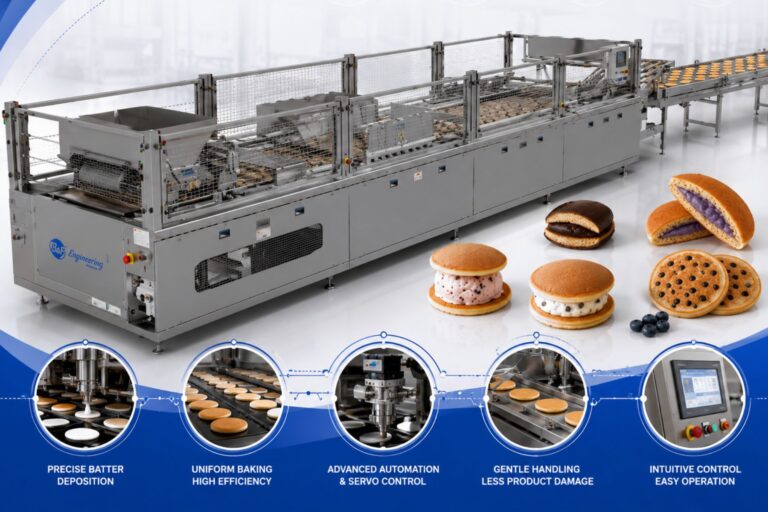
B&F Engineering’s Rice Cakes & Rice Cake Lines are already built to handle formats from classic cakes to mini bites and chocolate-coated snacks.
Manufacturers benefit from:
- Capacity range: Approx. 2,000-10,000 rice cakes per hour, depending on format and layout.
- Versatile mould portfolio: Round, mini round, square, rectangular and custom shapes.
- Integrated systems: Seamless connection with enrobing units, cooling tunnels and packaging equipment.
- R&D and demo production: Support in testing mini recipes, texture profiles and mould concepts before full-scale investment.
Mini rice cakes offer a powerful way to differentiate your brand, unlock new pack formats and address portion-control trends—but success depends heavily on mould design and line configuration.
Considering a mini rice cake launch or planning to add bite-size formats to your existing range?
Talk to B&F Engineering about custom mould options and production line layouts that turn small shapes into big business.
Rice Cakes & Rice cake Lines
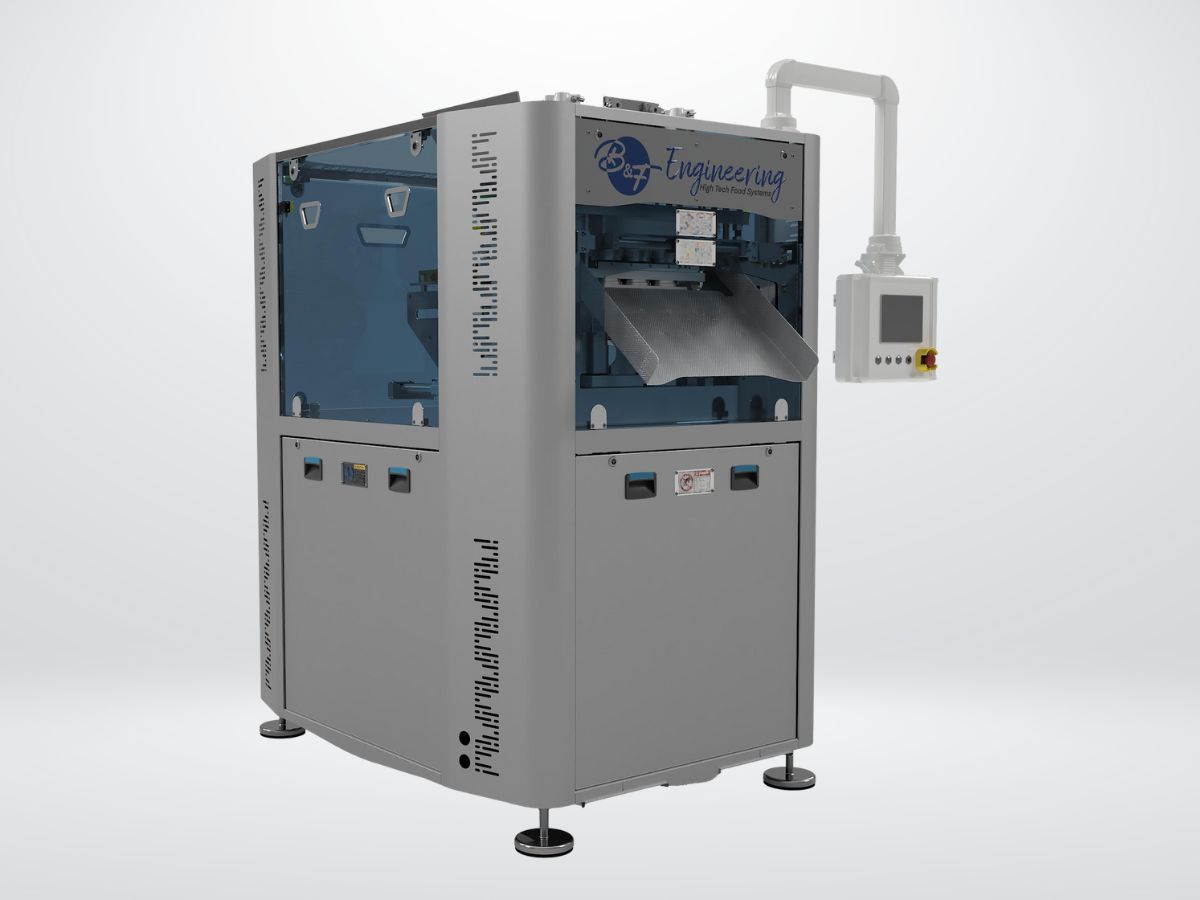
Produce traditional or trendy rice cakes with maximum flexibility and precision. From mini bites to chocolate-coated snacks, our systems adapt to every market demand.
Contact Us Today
Discuss your project with our engineering team and discover how our machines can optimize your production.