Rice Cakes vs Corn Cakes: Can One Popping Line Produce Both?
If you already make rice cakes, the question comes up sooner or later: can the same machine also produce corn cakes? The short answer is yes, in most cases. The longer answer is that the grain changes how the cake behaves in the mold, and that a line which runs rice happily can still give you poor corn cakes if nobody adjusts the settings.
This article explains what is the same, what is different, and what you should test before you promise a corn cake to a customer.
How a popping line makes a puffed cake
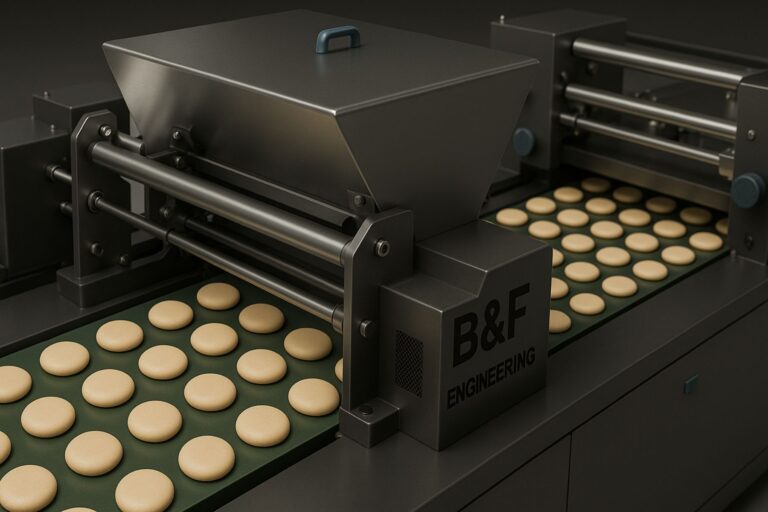
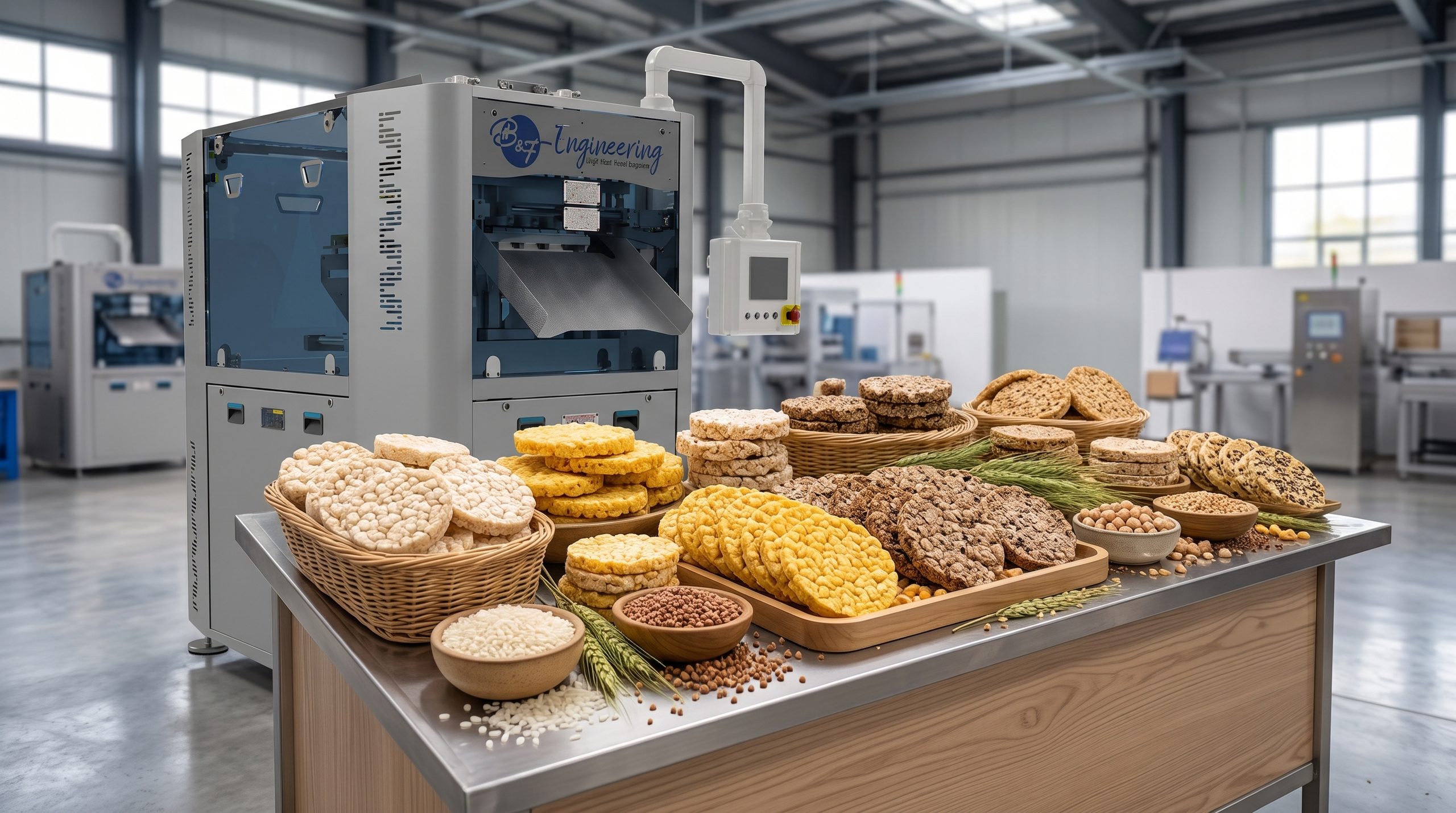
All puffed grain cakes follow the same basic principle. A measured dose of grain goes into a heated, closed mold. Heat and pressure build inside it, the moisture in the grain turns to steam, and when the mold opens the pressure drops suddenly. The grain expands and the starch sets into a light, crisp structure that holds the cake shape.
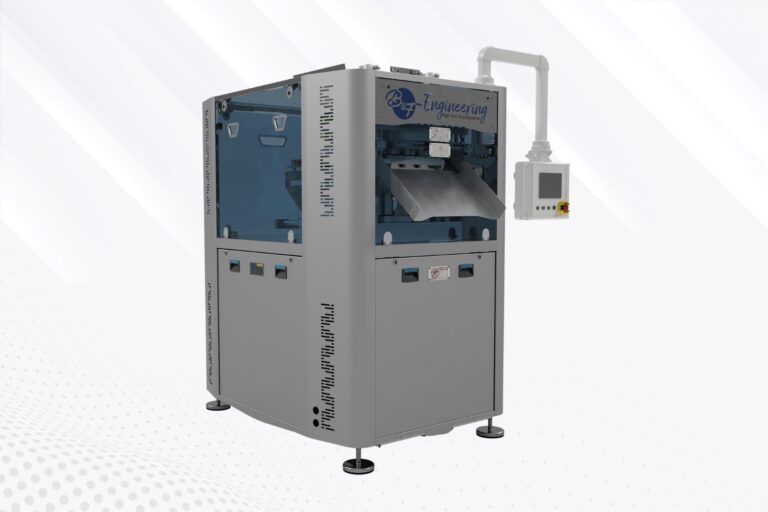
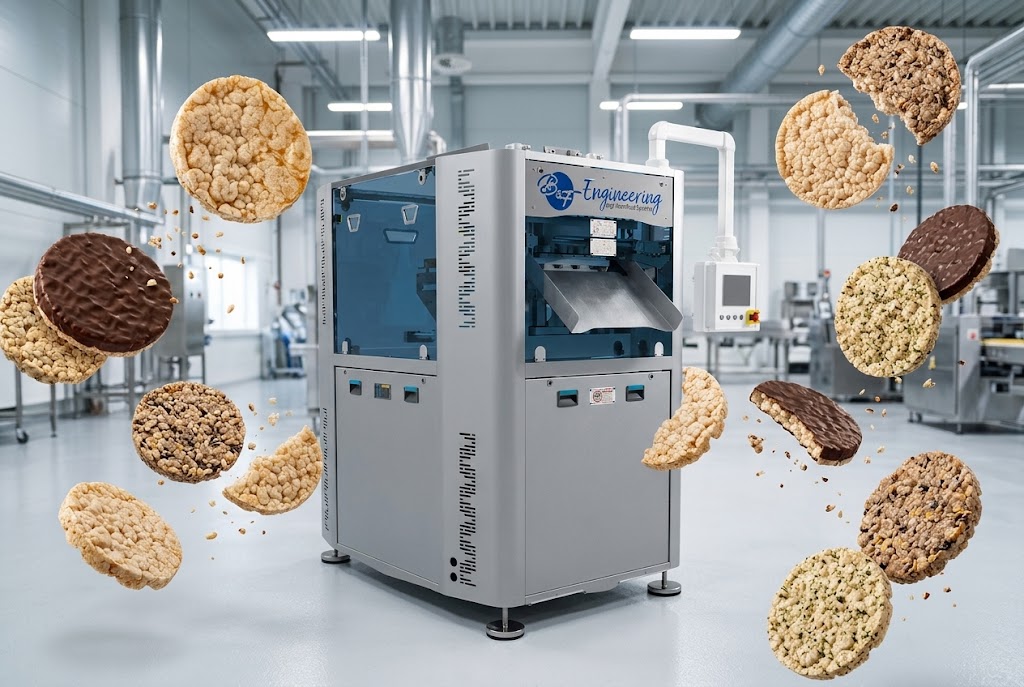
Because the principle is the same, one machine can process several grains. B&F Engineering rice cake lines handle puffed rice, corn, quinoa, buckwheat, lentils, chickpeas, bulgur wheat and rice poppers. What changes between grains is the recipe, which means temperature, pressure, dwell time and the moisture and size of the raw material. For a deeper look at the mechanism, see our high-pressure popping machine technology guide.
Rice cake vs corn cake: what really differs
| Factor | Rice cakes | Corn cakes |
|---|---|---|
| Raw material | Polished or brown rice, short to medium grain | Popping corn or corn grits, depending on recipe |
| Expansion | Even and predictable | Strong, can be uneven if grain size varies |
| Texture | Light, delicate crunch | Crunchier, often a denser bite |
| Flavor | Neutral, takes seasoning well | Sweeter, more cereal character |
| Fat content in the grain | Low | Higher in whole corn, so more residue in the mold |
| Typical positioning | Diet, gluten-free, lunch box | Snack, kids, strong flavors |
Two differences matter most on the shop floor: how the grain handles heat, and how much it leaves behind.
Heat and pressure
Corn needs its own temperature and dwell time. A rice setting often under-puffs corn or leaves hard, unexpanded kernels. The reverse is also true: a corn setting can scorch rice. That is why every grain should have its own saved recipe.
Residue and cleaning
Whole corn contains more natural oil than polished rice, and some of it can end up on the mold surface. Corn dust and fines also behave differently from rice dust. You may need more frequent cleaning of the molds, a different cleaning routine at changeover, or both.
What you can keep and what you must adjust when switching grains
Most of the line stays the same. The checklist below shows where the work is.
- Recipe settings. Temperature, pressure and dwell time. Save one recipe per grain in the controls.
- Dosing. Grain size and bulk density differ, so the dose per mold needs checking to keep cake weight stable.
- Moisture. Each grain has a moisture window in which it puffs well. Control incoming moisture or condition the grain before the line.
- Mold surface and release. Ask whether the mold coating and the release behavior suit both grains.
- Cleaning at changeover. Define how you clear the previous grain and how you check the line is clean.
- Downstream settings. Cakes of different density and thickness may need different conveyor and packing settings.
Mixed grain cakes and flavors
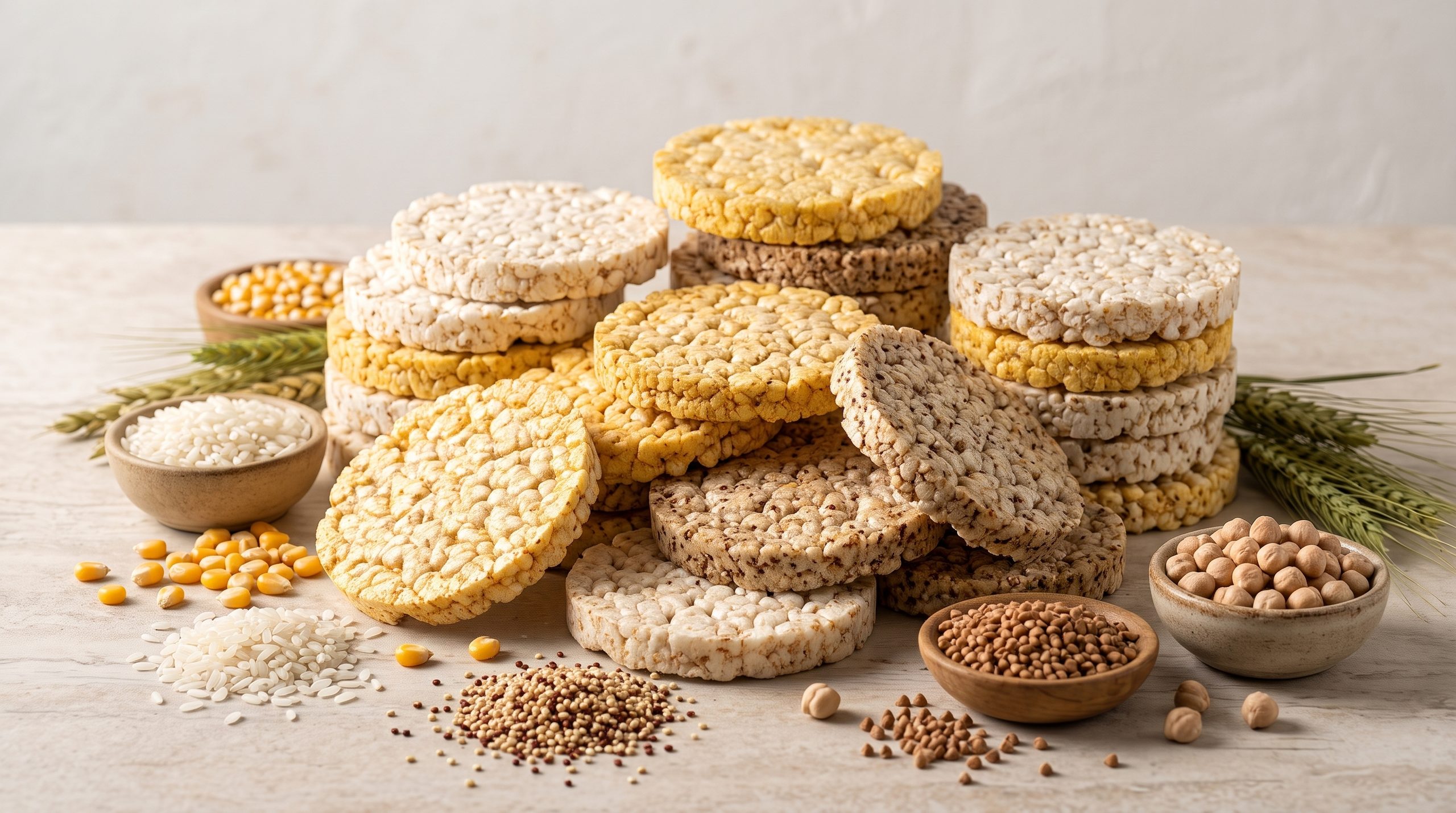
Many producers move beyond single-grain cakes. A multigrain cake of rice and corn, or a rice cake with quinoa or buckwheat, gives you a different nutritional story and a texture that stands out on the shelf. Mixing grains makes dosing and moisture control harder, so test blends carefully. The cakes can then go through an oiling and seasoning unit for savory flavors, or through an enrober for coated products. For formulation guidance on blends, see our multigrain and high-protein rice cake guide.
A practical changeover routine from rice to corn
A written routine saves time and protects quality. Here is a simple model you can adapt to your own plant.
- Run out the remaining rice from the hopper and the dosing system.
- Load the saved corn recipe on the controls and let the molds reach the new temperature.
- Clean the feeding path, the mold surfaces and the transfer conveyors according to your procedure.
- Run a short test batch and discard it.
- Check cake weight, thickness, color, texture and moisture against the specification.
- Release the batch for production only when the checks pass, and record the result.
The test batch is cheap compared with a full pallet of rejected corn cakes, so do not skip it.
Quality parameters to track for each grain
| Parameter | Why it matters | How often to check |
|---|---|---|
| Cake weight | Controls cost and pack weight | Several times per hour |
| Thickness and diameter | Affects stacking and packaging | At start and after changes |
| Moisture of finished cake | Predicts crispness and shelf life | Each batch |
| Color | Shows over- or under-heating | Continuously by eye or vision system |
| Broken or unpuffed cakes | Drives waste | Per shift |
Keep a separate log for each grain. Over a few weeks you will see patterns, for example how seasonal changes in raw material moisture shift your settings.
Packaging and shelf life differences
Both rice and corn cakes are dry, crisp products that lose quality when they absorb moisture. Corn cakes with higher fat content can also develop off flavors if stored for a long time in warm conditions, so a good barrier film and sensible storage temperature matter. Ask your packaging supplier to test the film with your cakes under realistic conditions, and confirm shelf life with real storage trials before you set the best-before date.
Allergens and claims
If you advertise gluten-free cakes, changeovers matter. A line that also processes bulgur wheat or any gluten-containing grain needs a documented cleaning and verification routine, and you should check what your market requires before you make a gluten-free claim. Corn and rice are naturally gluten-free, but the claim depends on the whole process, not only the grain. Make allergen management part of your changeover plan and talk to your food safety team early.
Business case: why add corn cakes?
A second grain is one of the cheapest ways to widen your range, because you use the same machine, the same operators and the same packaging line. The benefits are practical:
- Wider shelf presence. Two or three flavors and grains take more shelf space than one.
- A product for a different buyer. Corn cakes appeal to snack and children’s segments that rice cakes sometimes miss.
- Better line utilization. If rice demand is seasonal, corn can fill the gap.
- A hedge on raw material price. When one grain becomes expensive, you have another option.
The cost is complexity. More recipes mean more changeovers, and every changeover is lost production time. Plan production runs in batches, schedule similar flavors together, and keep a clear cleaning procedure.
Test before you sell
Do not rely on a brochure for your first corn cake. Run your own corn on the machine, with your own recipe, and measure cake weight, thickness, texture and rejection rate. B&F offers demo production on a pilot line, so you can see how your grain behaves before you invest or add a new product to an existing line.
Frequently asked questions
Add corn cakes to your range
If you want to know whether your current or planned line can make rice cakes, corn cakes and multigrain cakes, send us your grains and target output. Contact B&F Engineering to discuss your rice and corn cake line, or read more about our rice cake production lines.
Contact Us Today
Discuss your project with our engineering team and discover how our machines can optimize your production.