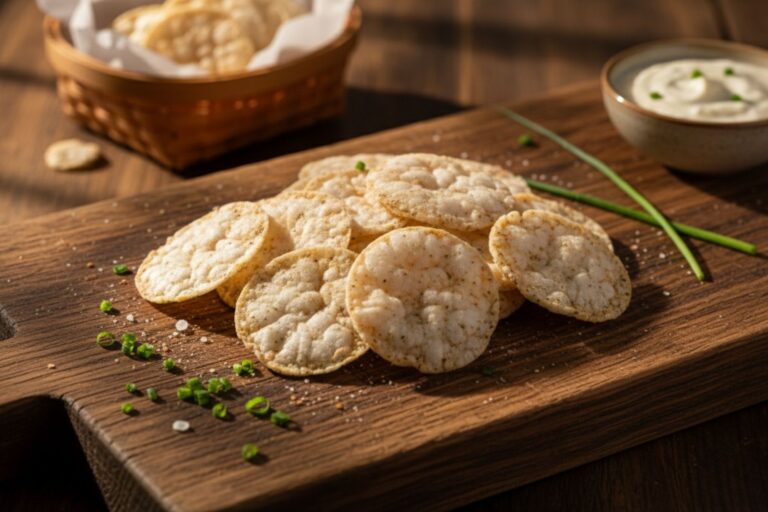
In today’s health-conscious snack market, rice cakes have secured a prominent spot on supermarket shelves and in consumers’ pantries. Their gluten-free nature, low-calorie profile and clean-label ingredients make them a go-to option for those seeking light yet satisfying snacks.
But behind their simple apperance lies one of the most important factors influencing their taste, texture and quality – the type of rice used. From the way the grain pops under heat to crispness, aroma and even visual appeal,r ice variety plays a decisive role in the success of a rice cake.
In modern food production, especially with the rising demand for innovative, functional snacks, manufacturers experiment with multiple rice varieties- sometimes even blending them- to create unique product lines. Below are some of the most popular rice types used in rice cake manufacturing and how each contributes to the final product.
1. Japonica Rice – The Classic Choice
Short and round-grained, Japonica rice is reowned for its high starch content, making it a top performer in rice cake production.
- Texture: Dense, compact structure with excellent binding.
- Best for: Sandwich-style rice cakes and traditional plain varieties.
- Why it’s popular?: Offers consistent popping performans and a satisfying bite.
2. Indica Rice – Light & Crispy
Long and slender, Indica rice delivers a lighter, crunchier texture compared to Japonica.
- Texture: Crisp, airy but less cohesive.
- Best for: Thinner, snack-style rice cakes or blends.
- Tip: Often mixed with Japonica to improve shape retention without sacrifing crispness.
3. Black Rice – For Visual Impact & Nutrition
Packed with natural antioxidants, black rice adds striking purple-black tones and a mild nutty flavor.
- Texture: Lower starch content means reduces popping performance.
- Best for: Premium, visually distinctive rice cakes.
- Market appeal: Ideal for health-focused and gourmet product lines.
4. Basmati Rice – Aroma-Driven Innovation
Known for its long, fragrant grains, Basmati is not a common choice for pooing due to low starch content – but it’s used in small quantities for aromatic recipes.
- Best for: Speciality flavored rice cakes where fragrance is a key selling point.
5. Organic Rice Varieties – The Clean Label Advantage
With rising consumer demand for organic snacks, certified organic rice is a growing segment.
- Typically Japonica or medium-grain varieties.
- Best for: Brands targeting premium, chemical free, eco-conscious markets.
How to Choose the Right Rice for Your Market
The ideal rice type depends on your brand positioning, target audience and product texture goals:
- For hearty, satisfying rice cakes: Go for Japonica or Japonica blends.
- For ultra-light snacks: Choose Indica-dominant blends.
- For visual differenitation: Add a percentage of black or colored rice.
- For premium positioning Explore organic-certified grains.
The Trend: Blends & Functional Ingredients
Many manufacturers now combine multiple rice varieties – or even add quinoa, buckwheat, chia or millet- to enhance nutrition, texture and flavor complexity. This aligns with consumer trends favoring multi-grain, high-antioxidant and visually appealing snacks.
In rice cake production, grain selection is more than a supply-chain decision – it’s a brand-defining choice. The right rice variety (or blend) can help you stand out in a crowded healthy-snack market, delivering on both taste and trend appeal. Even cost-efficient options, such as incorporating broken rice for its high starch content and functional binding, can play a role when thoughtfully balanced with whole grains for aesthetics. With the right combination of rice types, popping technology, and flavor innovation, producers can craft rice cakes that are not just snacks, but experiences.
Rice Cakes & Rice cake Lines
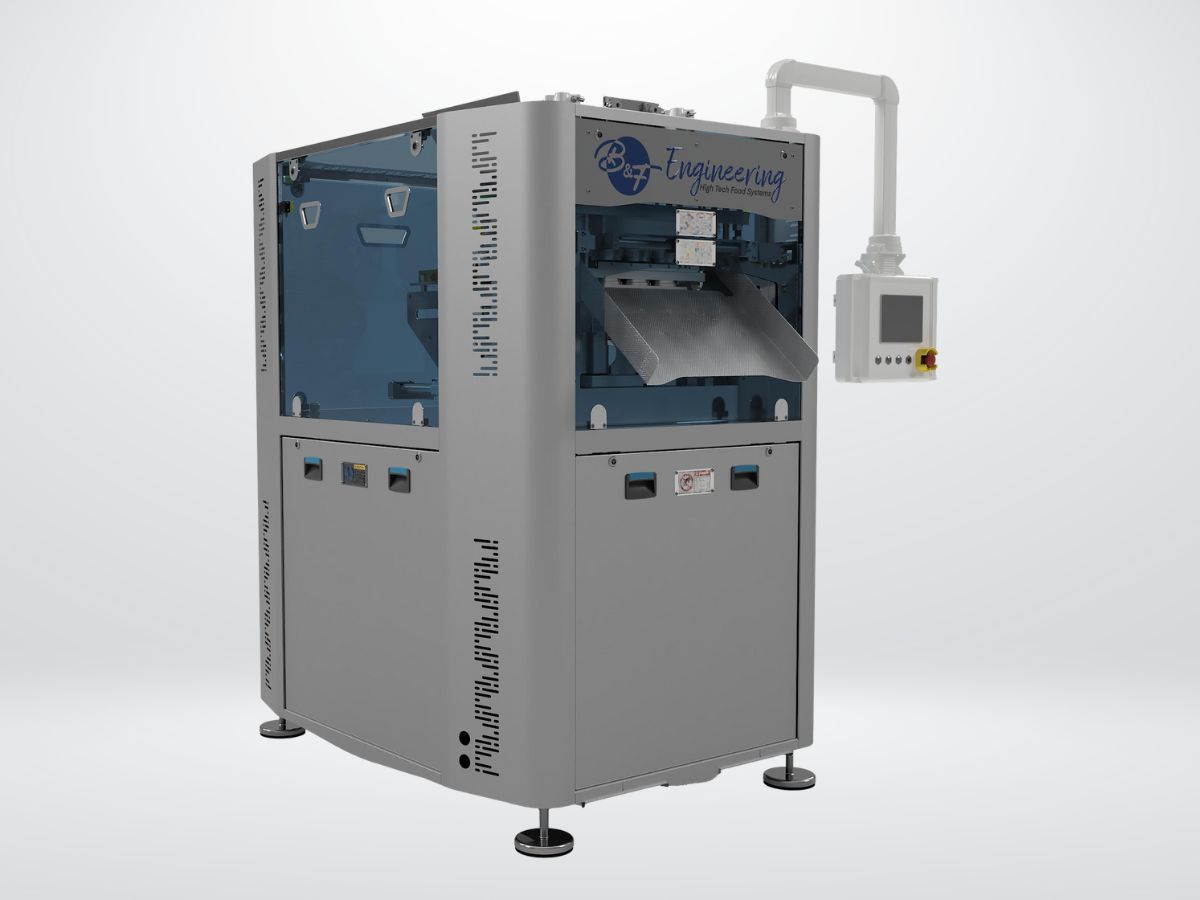
Produce traditional or trendy rice cakes with maximum flexibility and precision. From mini bites to chocolate-coated snacks, our systems adapt to every market demand.
Contact Us Today
Discuss your project with our engineering team and discover how our machines can optimize your production.